Key Points:
- Imaging expansion needs early protection planning.
- Protective equipment should match future department growth.
- Standardisation helps teams work smoothly across rooms.
- Inventory control reduces shortages and urgent purchases.
- Better workflow planning saves staff time during busy hours.
- Procurement planning supports long-term imaging readiness.
- Growing departments need safer and more organised equipment systems.
Imaging departments that are growing often have to juggle a number of changes at the same time. The team can come under additional pressure from more patients, more equipment, longer hours and new rooms. But growth isn’t simply about expanding capacity. Equally, it needs a clear plan of protection to ensure staff can work safely, equipment is available and daily operations run more smoothly as demand increases.
In this guest blog, we explore how imaging departments can prepare for expansion in a more organised and practical way through thoughtful planning. From protective apparel and equipment placement to stock control and long-term procurement, the right approach can help healthcare facilities grow without creating unnecessary confusion, delays or pressure on clinical teams.
Planning for Protective Equipment in Expanding Imaging Areas
If protection needs are not planned early on, a growing imaging department can quickly become a management headache. More appointments could mean more staff rotation, more scanning sessions and more use of rooms throughout the day. In this phase, an X-ray protection equipment supplier can assist facilities in looking beyond their current orders and carefully considering the needs of each room, team, and future service area.
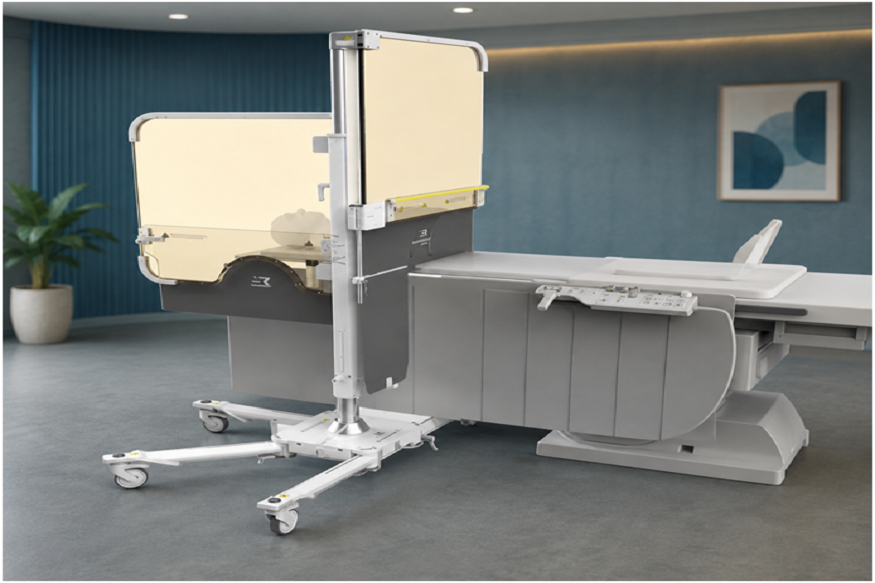
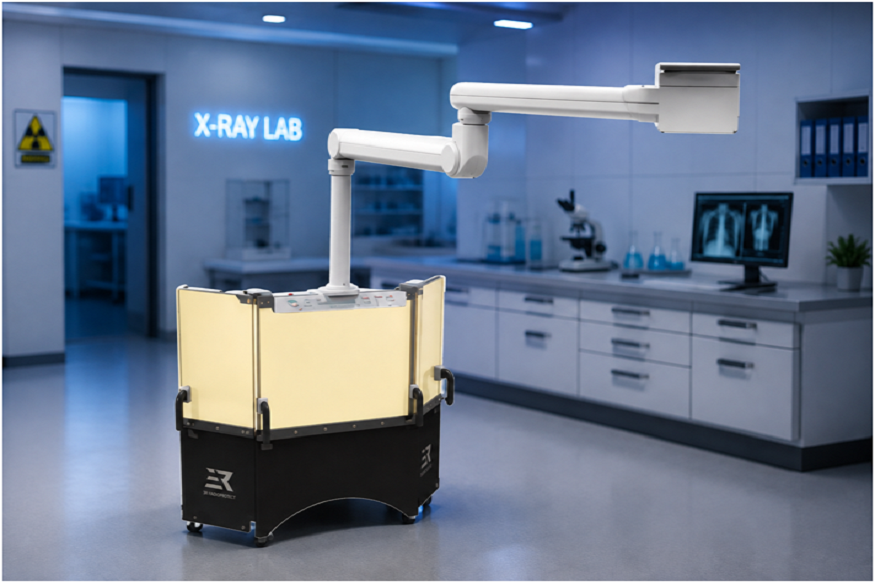
Protective planning works best when it is done before the extra work arises. Some departments require lead aprons, thyroid collars, radiation glasses, mobile shields and table-side protection, proper storage and a replacement process when equipment is worn. Teams can avoid last-minute shortages or having to share items that should already be there by reviewing these details in advance.
Medical Equipment Requirements during Facility Expansion
Expansion often leads to a change in the use of clinical spaces. A room that once performed fewer imaging procedures may now be used for a variety of appointments, specialists, and patient needs. Medical equipment and supplies at this point should be designed for future workflow, not just the present room layout. This helps facilities avoid snap decisions on purchasing that may not support long-term growth.
A good planning process will consider things like the number of rooms, volume of procedures, staff movement, storage space, cleaning routines and equipment replacement needs. Imaging departments are not just about adding more stuff. The aim is to establish a reliable working environment in which protective and clinical resources are easily accessible, well organised, and available for use during busy hours.
Standardising Equipment in Multiple Spaces
As imaging departments grow, inconsistent equipment choices can gradually become a real issue. One room may have newer protective gear, another may have older shields, while another may use items borrowed from nearby areas. This can be confusing for staff and less efficient for day-to-day prep. Standardisation allows departments to have a more familiar and predictable set-up in every imaging room.
Standardised equipment also simplifies training, inspections, and maintenance and inventory checks. Staffs know what belongs in each room and can easily identify missing or broken items. It reduces unnecessary interruptions during procedures, and helps teams feel more confident.” This consistency is especially important for growing departments when new staff, new rooms and busier patient schedules are part of the equation.
Imaging Department Inventory Management
A larger department demands a more cautious approach to inventory. Protective equipment should not be considered a one-time purchase as use changes with the growth of the department. A reputable supplier of X-ray protection equipment can assist facilities with decisions on what to keep in stock, what may need to be replaced on a regular basis, and where backup items may be needed to keep services running smoothly.
Good inventory control also enables healthcare teams to have more confidence in managing costs. In the absence of a well-defined system, departments may purchase too much of one item and too little of another. They also tend to hold on to broken or obsolete things longer than they should. A practical inventory process can help you budget better, reduce rush orders, and keep a steady supply of essential protection equipment.
Workflow Readiness Ahead of Increased Patient Demand
Expansion is more than just making space. It is also about moving people, equipment and procedures through the department without delay. Staff can lose valuable time in busy shifts if protection items are stored too far away, checked irregularly or placed haphazardly. Good workflow planning takes protection equipment out of the “repeat obstacle” category and into the daily routine.
Departments should review equipment storage sites, frequency of inspections, reporting of damaged equipment, and who is responsible for inspecting equipment. As patient volumes increase, these smaller details become more important. With the right preparations, a department can operate with more demands and fewer interruptions because staff doesn’t have to hunt for critical items or work around preventable equipment gaps.
Procurement Planning for Continued Growth
As imaging departments grow, healthcare procurement becomes more complex. Purchasing decisions must meet safety, budget control, staff comfort, regulatory expectations and future service capacity. Medical Equipment and Supplies should not only be selected for the current need, but for the long-term. Departments shouldn’t have to repeat the purchasing process too often, or fix gaps that could have been avoided later.
A stronger procurement plan can include supplier communication, product availability, quality expectations, inspection routines, and replacement schedules. It may also include planning for future imaging rooms before they are online. This forward-looking approach helps reduce delays and improves coordination between clinical managers, procurement teams and facility planners. Growth can be a much more manageable task for expanding healthcare environments with good preparation.
A Smarter Approach to Imaging Expansion
As an imaging department expands, it needs a protection strategy that enables safe practice, efficient workflows and future readiness. The combination of protective equipment, stock planning, room standardisation and procurement decisions makes expansion more structured and less stressful. With good planning, healthcare teams can prepare as patient volume, types of procedures and day-to-day responsibilities continue to increase.
Nexamedic is there for healthcare facilities wanting to grow with reliable planning, quality sourcing and hands-on equipment support. Their team can help imaging departments navigate protection needs, equipment availability and long-term operational readiness. For healthcare providers seeking to extend their imaging services, working with an expert partner can make the process more organised, confident and commercially sensible.
Frequently Asked Questions
Question: Why is it so important to plan for protective equipment before an imaging department grows?
Answer: Protective equipment planning prepares departments for increased patient volume and staff workload. This guarantees the right items are available in the right rooms and takes the pressure off last-minute purchasing, all while supporting safer and more organised daily operations as imaging services grow.
Question: What should imaging departments know before buying new protection equipment?
Answer: They should consider the room layout, the volume of procedures, the number of staff, storage areas, inspection routines, replacement needs, and plans for future expansion. This enables the department to purchase equipment that facilitates existing work and future clinical demand.
Question: How can standardisation benefit larger imaging departments?
Answer: Standardisation makes it easier for all rooms to follow a similar set-up, which makes staff training, equipment checks and daily preparation easier. Teams moving between rooms, or working in different imaging areas, are less likely to get confused.
Question: When should a department replace its radiation protection items?
Answer: Depends on use, condition, inspection results and manufacturer’s guidance. Departments must regularly inspect protective items for damage, wear, cracking, poor fit, or reduced utility, and replace them before they create a safety or workflow problem.
Question: Does supplier support help grow the imaging department long term?
Answer: Yes. Supplier support can help facilities plan for purchases, manage availability, understand equipment options and prepare for future demand. This is useful when departments are increasing their rooms, services, or internal equipment control.






Be First to Comment